


Li-Po vs. 18650 vs. 21700: A Deep Dive into Battery Applications & Trends for 2026Focusing on Application Scenarios, Technical Characteristics, and Market Positioning.
2025-12-27 16:10:33
Li-Po vs. 18650 vs. 21700: A Deep Dive into Battery Applications & Trends for 2026Focusing on Application Scenarios, Technical Characteristics, and Market Positioning.
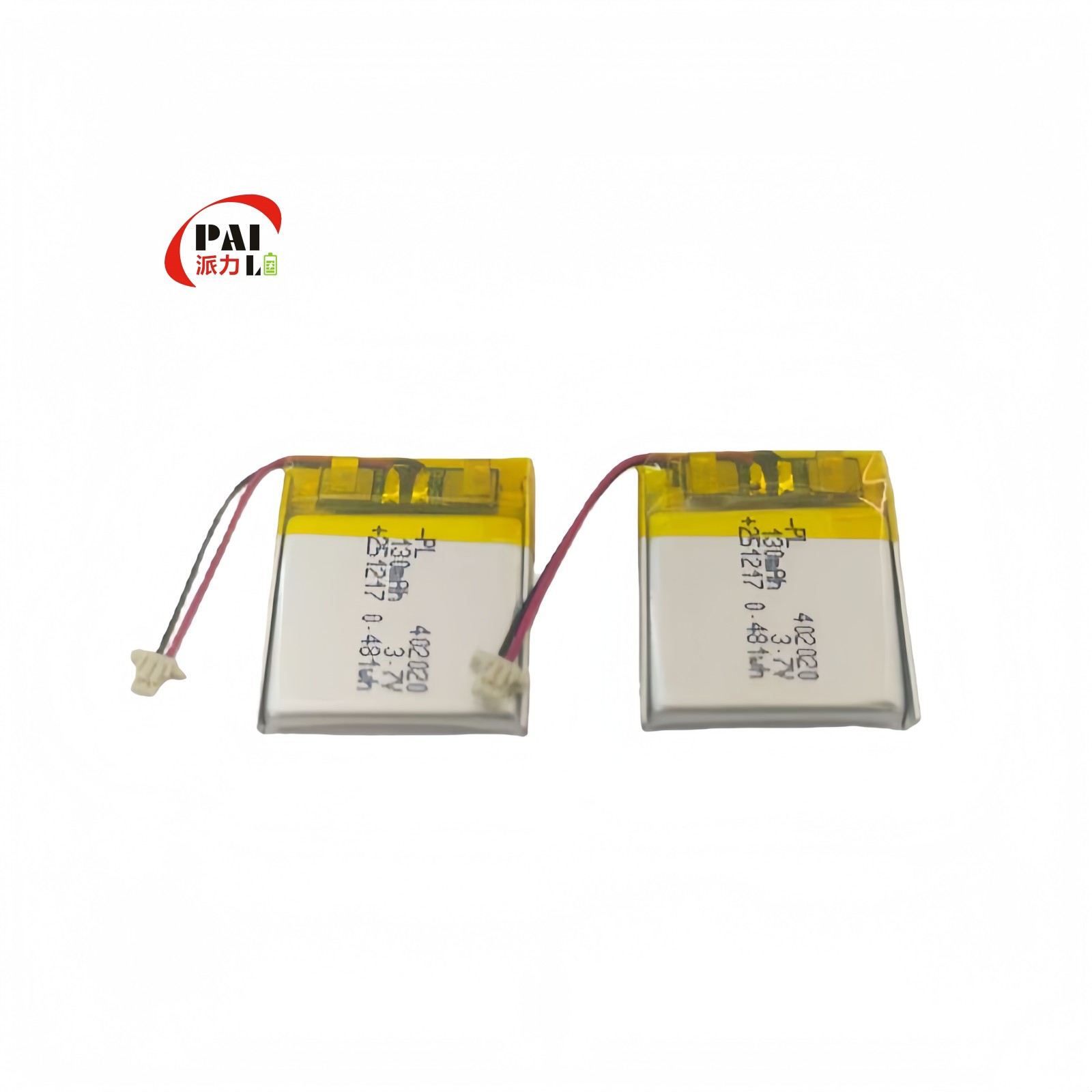
In the diverse landscape of lithium battery development, Polymer Lithium (Li-Po)batteries and Cylindrical (18650/21700)batteries represent two distinct technological philosophies:
Li-Po Batteries: Prioritize "flexible design + high safety," dominating the ultra-thin, customized consumer electronics and smart device markets.
Cylindrical Batteries (18650/21700): Leverage "standardization + consistency + high energy density" to serve as the backbone for EV power modules, power tools, and energy storage systems.
This report analyzes these three battery types across structural characteristics, performance parameters, and typical applications to forecast their trajectories through 2026.
1. Technical & Structural Comparison
Understanding the physical and chemical differences is key to selecting the right power source.
Feature | Polymer Lithium (Li-Po) 18650 Battery 21700 Battery
Electrolyte Solid or Colloidal Polymer Liquid Organic Electrolyte Liquid Organic Electrolyte
Casing Aluminum-Plastic Film (Soft Pouch) Steel Case (Hard Shell) |Steel Case (Hard Shell)
Dimensions Flexible (Custom thickness/shape) Fixed (Φ18 × 65mm) Fixed (Φ21 × 70mm)
Energy Density 250–300 Wh/kg 220–280 Wh/kg 260–300 Wh/kg
Internal Resistance Ultra-low (High discharge efficiency) Medium Lower (Superior to 18650)
Safety High (No leakage, low thermal runaway risk) Medium (Requires strict BMS) Medium (High thermal management needs)
Cycle Life 500–800 (Consumer) / 1000+ (Power) 500–1000 cycles |800–1500 cycles
Cost Higher (Complex manufacturing) Low (Mature scale) Medium (Slightly above 18650)
Key Insight:Li-Po wins on flexibility and safety, while cylindrical cells win on standardization and stability.
2. Deep Dive: Application Scenarios
A. Polymer Lithium (Li-Po): The Choice for Customization & Slimness
1. Consumer Electronics (Core Stronghold)
Smartphones, Tablets, TWS Audio: Sensitivity to thickness and weight is paramount. Li-Po cells can be manufactured as thin as 0.5mm, perfectly adapting to sleek ID designs.
Wearables (Smartwatches, AR/VR): These devices have irregular internal spaces. Soft pouch cells can be curved or shaped to maximize space utilization.
High-End Laptops: Devices like the MacBook Air utilize Li-Po cells to achieve thinner profiles and extended battery life.
2. Emerging Smart Hardware
Drones (Consumer): Brands like DJI utilize high-rate Li-Po batteries to support instantaneous high-current discharge (>10C) for rapid flight response.
Medical Devices: Implantable devices and portable monitors demand the highest safety standards, favoring the leak-proof nature of polymer systems.
3. Limitations
Not suitable for high-vibration or high-impact environments due to the lower mechanical strength of the aluminum-plastic film.
High cost makes them unsuitable for large-scale energy storage or low-cost EVs.
B. 18650 Battery: The Mature, Reliable Classic
1. Power Tools (Primary Market)
Drills, angle grinders, and lawnmowers require high-rate discharge (10–20C). 18650 cells (e.g., Panasonic NCR18650B) remain the standard for stable power output.
Data Point:While the global power tool market is over 80% lithium-ized, 18650s still command over 70% of this specific share.
2. Cost-Sensitive Electronics
Power banks and LED flashlights benefit from the mature supply chain and low unit cost (approx. ¥5–8 per cell) of the 18650.
3. Legacy EV & Storage
While early EVs (like the original Tesla Model S) used thousands of 18650s, this format is being phased out in automotive applications in favor of 21700 or prismatic cells, though it remains in small home storage units.
C. 21700 Battery: The Balance of Performance & Cost
1. New Energy Vehicles (Core Growth Engine)
Tesla Effect: The Model 3/Y shift to 21700 demonstrated the benefits: single cell capacity increased to 4.8–5.0Ah, reducing the total number of cells by ~30%. This simplifies the Battery Management System (BMS) and lowers pack costs.
Major manufacturers (CATL, LG, Panasonic) are mass-producing high-nickel 21700s to support 400V/800V platforms.
2. High-End Mobility & Tools
E-Mobility: Premium electric motorcycles are adopting 21700 solutions to push
anges past 100km.
Heavy Duty Tools: Industrial hammer drills and garden tools are switching to 21700 for better energy-to-weight ratios.
3. Advantages Summary
Compared to 18650: 50% capacity increase, 15% lower internal resistance, and superior thermal management capabilities.
3. 2026 Market Trends Forecast
Dimension | Polymer Lithium (Li-Po) | 18650 Battery | 21700 Battery
Projected Growth Steady (CAGR ≈ 8%) Slow Decline (-2%) Rapid Growth(CAGR ≈ 18%)
Tech Direction High-voltage polymers, Solid-state integration
Stagnant; focus on stock replacement High Nickel + Silicon Carbon Anode, Dry Electrode
Key Drivers Wearables, AIoT explosion | Power tools, Low-end electronics EVs, High-end two-wheelers
Risk Factors Replacement by solid-state pouch cells | Replacement by 21700/4680 formats | Long-term competition from 4680 Large Cylindrical |
Expert Outlook:
Li-Po: Will not disappear but will deepen its hold on "High Safety + High Rate + Irregular Shape" niches.
18650: Entering the end of its lifecycle, maintaining presence only in strictly cost-sensitive markets.
21700:Expected to reach peak application saturation between 2026–2028, eventually forming a "High/Low" mix with the larger 4680 format.
4. Conclusion: Scenario Dictates Technology
There is no "best" battery, only the "most suitable" one.
Choose Polymer Lithium (Li-Po) if your product demands: Ultra-thin profiles, custom shapes, high safety, and lightweight construction.
Choose 18650 if you pursue: Extreme cost efficiency, supply chain ubiquity, and moderate power output.
Choose 21700 if you require: High energy density, high consistency, and efficiency in large-scale battery packs.
By 2026, these three battery types will run on parallel tracks, supporting everything from microwatt wearable tech to megawatt electric transport. Enterprises must define their cell selection based on the end-product definition, rather than blindly chasing the "newest" technology.
Next Step for Your Project
Are you currently selecting a battery solution for a new product design?
We can provide a customized feasibility report comparing the cost-per-watt and spatial requirements of Li-Po vs. 21700 specifically for your device's chassis.
- Prev: 18650 lithium battery series | Paili Battery Solution
- Next: 没有了